The problem of tackling psychology as a reliable form of science has lead to the empiristic school, which holds for guiding thought, the assumption that all knowledge is acquired through sensation – with the mechanism of this acquisition being gained through the process of association. This empirical movement persisted throughout British tradition, one which would focus on the accumulation of experiences; where many empiricists studied the relationship between the sensory input of experience and the mental processes. As Cartesian dualism later took the shape of sensationalism and influenced French philosophy; the early issues proposed by Descartes also lead to the formulation of British psychological opinion.
Francis Bacon // Photo // Credit akg-images/Sothebys
Francis Bacon (1561-1636) in his scholar days had set a target to restructure the techniques of scientific research. Francis Bacon concluded that deductive logical reasoning would not hold reliable validity due to its reliance on priori assumptions on the nature of humanity, which – according to him – limited the study of individuals in the environment due to reliance on the unfounded legitimacy of the assumptions.
In his work Novum Organum (A New Instrument; 1620), Bacon’s urge for better situations to study the world was reflected; he believed only detailed and controlled observation without assumptions about the world could lead to quality observations expressed quantitatively, and where sensitive generalisations could be made from inductive reasoning and practical observations.
Firstly, Bacon stated that sense validation of quantitative observational data would be a source of agreement among psychological scientists where observations could be repeated and supported by another, leading to more a compelling validity for the findings.
Secondly, Bacon stated that scientists would have to get rid of all personal bias and be sceptical and refuse assumptions that cannot be validated through observation. This led to Bacon’s empiricism being seen as a reliable approach which became a guiding thought in the British empiricistic tradition.
Thomas Hobbes // Photo Credit: Georgios Kollidas | Shutterstock
One of the earliest scholars and philosophers, Thomas Hobbes (1588 – 1679) had shared radical views on psychology and may well have started the British empiricist tradition. Hobbes was fortunate through his time to be acquainted to Galileo and Descartes while also briefly serving as secretary to Francis Bacon. Hobbes established a principle where it is assumed that all knowledge is derived from sensations; while discarding the existence of external or internal factors but only considering matter and motion. Thus, firmly basing his psychology on materialism.
The sensations were believed to be reduced to motion in the form of change. For example, one would differentiate light from dark, but may not deduce either alone. Furthermore, Hobbes opposed Bacon’s reliance on inductive research, but instead supported the argument that deduction from experience would be a most appropriate method of knowing. Hobbes school of thought supported the Social Contract Theory where the framework assumes that sensations are derived from physical objects in the environment; to use the rule of mechanical association to derive ideas and memories.
For Hobbes & successors following the British tradition, it is assumed that knowledge is mentally acquired through associations that are organised into general principles that are usually mechanical in nature. These provide explanation for the formation of relationships between sensations. To Hobbes, the association of sensations forming an idea was provided by the contiguity of time or place; which is then stored in the memory by the mind where an association mechanism determines the sequence of ideas defined as “thought”. Desire was also believed to be the motivational principle in Hobbes’s psychology, where the quest for pleasure while avoiding pain was believed to be attained by physiological processes.
Based on external sensation, desire is thought to direct thought sequences where it was also argued that dreams are thought sequences unregulated by sensations. For Hobbes, free will was inexistent, as he viewed it as a label for alternating desire and aversion confronting the person in regards to a physical object in the environment. Hobbe’s psychology viewed the universe as a machine in motion where the individual is compared to a machine operating in a mechanised environment.
The mind is considered to be a physical process centered in the brain where the conversion of sensory motion is performed by the nervous system. One of the major criticisms remains the discarding of consciousness where the sequence of thought also assumes a conscious awareness of cognitive content. Despite the criticism however, Hobbes established the importance of association in comprehending the collection of experiences and his theory paved the way for other successors in the British tradition to amplify the empiricist position.
John Locke
More inclined towards the Rational Empiricism line of thinking, another major leader in empiricism was John Locke (1632 – 1704), who believed that individual abilities are determined by experience or environment where the only government is by the acceptance of the governed. His views influenced some of the founding fathers of the American Republic, namely Thomas Jefferson, John Adams, and James Madison.
Locke’s belief were that we are born with a mind like a tabula rasa, or blank slate where all experiences are engraved throughout life to compose the complete contents of the mind. Furthermore, in his essay, “Essay Concerning Human Understanding (1690)”, Hobbes’ first principle was extended where Locke stated “Nihil est in intellectu nisi quod prius fuerit in sensu – There is nothing in the mind that was not first in the senses.” Locke also believed that all knowledge, including concepts of morality or god is derived through experience. The difference between sensations, which are physical and perceptions, which are the reflected products of sensations was established; “ideas” were attributed to sensations through self-reflection.
Physical objects were also believed to have 2 qualities. Firstly, primary, which entailed the properties of the object such as volume, length, number, etc; while the secondary is believed to be produced by us in the process of perceiving (e.g. sounds, colours, etc). One major dilemma remains the fact that Locke’s empiricism has definite need for the concept of mind, yet the concept can be characterised as passive as discarding innate ideas along with the reliability on sensory ideas leads to the mind’s ability to react to the environment being limited. However, one argument that embraces the human spirit is Locke’s which allocates two tasks to the mind. Firstly, although not embracing associations as strongly as Hobbes, Locke believed the mind links together sensations to form perceptions through chance. These spontaneous linkages that are also association by chance are nowadays known as “superstitious reinforcement.” Secondly, in terms of reflection, Locke’s views are opposite to Hobbes’ positioning as the former believed the sensory level would only be slightly related to mental processes (reflection). Furthermore, Locke’s views were highly regarded and influential, with his psychology being described as rational empiricism as he successfully imposed the requirement for the mind while removing the implications of God. Locke’s environmental determinacy provided the foundation for the rest of the British empiricist movement.
David Hume
Another respected early empiricist was David Hume (1711 – 1776), who agreed with the conclusion of George Berkeley, a psychologist who was so fascinated by John Locke’s notion of mental perception that he had ended up denying reality besides acknowledging [controversially to many researchers] god in his works in his essay Towards a New Theory of Vision (1709). An associationist, Hume agreed on the conclusion of Berkeley over the assumption that, independent of perception, matter cannot be demonstrated; and further went on to deny the existence of the mind in A Treatise of Human Nature (1739) later updated to An Enquiry Concerning the Human Understanding (1748).
After embracing the premise that all ideas are ultimately derived sensation and accepting the difference between primary and secondary qualities proposed by John Locke; Hume also concluded by defining the mind in terms of sensations and ideas, which in turned lead to denying matter similarly to Berkeley. However in his assumption it is logical as the mental world is only one the individual is knowledgeable of. By defining mind to only ongoing sensory & perceptual processes, the need for spiritual characteristics disappear. For mind, unlike Locke who defined it as the mental operations of reflection, it was defined as a transitory collection of impressions.
To Hume, even associations are the links of sensations formed by the randomness and similarity of events. Cause and effect were also inexistent for Hume as he insisted that all we have observed is a succession of events & we have simply imposed the cause-effect relationship from habit. After extending on Berkeley’s denial of matter, he discarded freewill and the Cartesian ideology of the mind, to instead propose the explanation of ideas as mental processes. Freewill to Hume is simply an idealistic concept taught to us by custom or religion, since it had been assumed that we are all determined by a momentary influx of sensory events.
All motivational behaviour was assumed to be directly linked to emotion or passion governed by the quest for pleasure without pain. The emotional states resulting from emotions are believed to be managed and acted upon by physiological mechanisms. This turned Hume approach reductionism, as he viewed human behaviour reactive and having little control of the environmental factors acting upon the organism; which seems to weaken the individual instead of empowering him or her. By identifying the mind as solely functional, Hume raised the question over the need for a mind construct.
Thomas Reid // photo credit: Hunterian Art Gallery, University of Glasgow
In the 18th century, the “Scottish Common Sense” marked a period of intellectual activity around the universities in Edinburgh & Glasgow where David Hume (1711 – 1776) played a major part in developing empiricism. Thomas Reid took the issue that led Berkeley and Hume to doubt and reductionism. Instead of acknowledging Locke’s distinction, he believed that objects are perceived directly but do not perceive sensations from the object.
He argued that primary quality justified belief in physical objects, and secondary qualities are not projections of the mind but mental judgement created by objects that cause a true interaction with mental operations. Common sense was also believed to be an instinctive part of a person’s constitution which has been taken for granted although the value has been continually showcased. Thomas Reid also viewed metaphysical discourses of Berkeley and Hume as “intellectual games.” Reid embraced the human essence by accepting that objects are present in reality but ideas require a mind contained in the self. Thus, empiricism had seemed to have been saved by Reid’s common sense, which also came with more realistic logic for the physical world.
David Hume however was rather atypical of the Scottish enlightenment being seemingly more fitting to the British tradition. As generally, most philosophers and literary contributors to the Scottish enlightenment were more independent of British thought perhaps as a reflection of the traditional link between Scotland and France or British politics of the time.
In the early days of the development of empiricism, British empiricists presented psychology as one based on experience where sensory input was the main state of mind. The critical mechanism relating sensations to higher mental processes was associations. What may be defined as “learning” was a major focal point for early British psychology & the tendency to decrease such mental processes to simpler ideas was seen by Harley and Hume.
Reductionist has since proved to be a foundation in empirical research in many fields involving quantitative studies. However, such reductionism was met with scepticism by the French who thought the implications of draconian reduction eliminates the very need for psychology – simplicity? How simple could the human world be?
Although reductionism provides options to calculate statistical orientations and predictions, it seems less appropriate in application when dealing with the real human world where most problems are generally about the consequences of mismanaged emotions on perception, decision-making, expectancy and behaviour.
Furthermore, how much of a simple explanation could reductionist empiricism provide for the reason behind why one’s hairs stand up to certain symphonies judged exquisite only by a particular person? [Or] How does one even explain the source, initial spark and creative process behind an intricate work of art? Reductionism would likely falter on those more artistic and human paths where emotions [restrained & channelled appropriately] are key to the well-being, positive mental health and enjoyment of life [‘humane’ experience] for the individual & civilization [the human environment]. Reductionism, however, remains vital to the world of science; where precision and empirical measurements are required.
This may lead way for inquiries involving more humane & individualistic assessments; where psychotherapy and/or neuroscience could reveal and resolve more for individuals and researchers requiring more detail and precision with “mind” and neural processes – rather than “matter” [which is mostly obvious & may not always be related to the mind – which strict empiricists also discard].
_____________________________________
References / Sources
Bacon, F. (1978). Novum Organum. In The works of Francis Bacon (Vol. 1). Cambridge, MA: Hurd & Houghton
Berkeley, G. (1963) An essay towards a new theory of vision. In C. M. Turbayne (Ed.), Works on vision. Indianapolis: Bobbs-Merrill
Brenan, J.F. (2014). History and Systems of Psychology (6th edn., pp.79-80). Essex: Pearson
Brenan, J.F. (2014). History and Systems of Psychology (6th edn., pp.110-124). Essex: Pearson
Hume, D. (1957). An enquiry concerning the human understanding (L.A. Selby-Bigge, Ed.). Oxford: Clarendon Press.
Locke, J. (1956). An essay concerning human understanding. Chicago: Henry Regnery
Studies
Armstrong, R.L. (1969). Cambridge Platonists and Locke on innate ideas. Journal of History of Ideas, 30, 187 – 202
Bricke, J (1974). Hume’s associationistic psychology. Journal of the History of the Behavioural Sciences, 10, 397-409
Brooks, G.P (1976). The faculty psychology of Thomas Reid. Journal of History of Behavioural Sciences, 12, 65-77
Miller, E.F. (1971). Hume’s contribution to behavioural science. Journal of History of the Behavioural Sciences, 6, 241-254
Moore-Russell, M. E. (1978). The philosopher and society: John Locke and the English Revolution. Journal of the History of the Behavioural Sciences, 14, 65-73
Robinson, D.N (1989). Thomas Reid and the Aberdeen years Common sense at the wiseclub. Journal of the History of the Behavioural Sciences, 25, 154-162
Smith, C. U. (1987). David Hartley’s Newtonian neuropsychology. Journal of the History of the Behavioural Sciences, 23, 123-136
While the aim of the community at dpurb.com has been & will always be to focus on a modern & progressive culture, human progress, scientific research, philosophical advancement & a future in harmony with our natural environment; the tireless efforts in researching & providing our valued audience the latest & finest information in various fields unfortunately takes its toll on our very human admins, who along with the time sacrificed & the pleasure of contributing in advancing our world through sensitive discussions & progressive ideas, have to deal with the stresses that test even the toughest of minds. Your valued support would ensure our work remains at its standards and remind our admins that their efforts are appreciated while also allowing you to take pride in our journey towards an enlightened human civilization. Your support would benefit a cause that focuses on mankind, current & future generations.
Thank you once again for your time.
Please feel free to support us by considering a donation.
Sincerely,
The Team @ dpurb.com
P.S.
– If you are a group/organization or individual looking for consultancy services, email: info[AT]dpurb.com
– If you need to reach Danny J. D’Purb directly for any other queries or questions, email: danny[AT]dpurb.com [Inbox checked periodically / Responses may take up to 20 days or more depending on his schedule]
Stay connected by linking up with us on Facebook and Twitter
While the “Law of Effect” has one of the most popular concepts in learning theory, the deeper applications have also been questioned. From humans to animals however, although the intelligent management of the concept of reinforcement enables learning to occur, biological factors known as the “instinctive drift” and “autoshaping” challenge the principles of learning. Instances have risen with animals, where unreinforced behaviours were noted without any particular stimulus. Such occurrences have been referred to as “misbehaviour” (Breland & Breland, 1961).
The studies (Timberlake & Grant, 1975) & (Bullock & Myers, 2009) applied 2 different concepts to further understand biological constraints where the possible explanation of classical conditioning (Moore, 1973) was heavily challenged with a more sophisticated argument involving solid claims for a “behaviour-systems analysis”. The idea of “stimulus substitution” in (Moore, 1973) was also questioned by Wasserman (1973), where 3-day old chicks were observed to have adaptable responses to specific stimuli.
The 1960s, The Debate & The Effectiveness of Thorndike’s Findings
Discovered in the 1960s, the two phenomena, instinctive drift and autoshaping have created a lot of debate among psychologists who are in disagreement with one another in providing a concrete explanation.
The main issue in behavioural therapy has been how certain animals [in some cases], would cease performing reinforced behaviours [previously shaped by trainer through operant conditioning] but instead would adopt a new pattern of unreinforced behaviours – even leading to the frequency of the behaviour increasing over time. The phenomena has caused a lot of problems and controversy in the animal behaviourist’s field; as some would see countless amount of work [requiring careful shaping and chaining] being ruined through their animal’s drift from the conditioned task.
The discovery of biological constraints also raise serious questions over the effectiveness of reinforcement in modifying and controlling behaviour. Some researchers such as Timberlake in 1983 argued that the concept of reinforcement learning is inadequate and should be forgotten.
Study 1: Auto-Shaping in Rats to the Presentation of Another Rat predicting Food (Timberlake & Grant, 1975)
Procedure
The hypotheses in rat experiment were tested by comparing the behaviour of an experimental group with three control groups with each consisting of five male Wistar albino rats, 90 days of age.
During acquisition, each rat received 30 10-second presentation of the predictive stimulus on a variable time schedule with mean interval of 60 seconds. The stimulus-platform was driven by a motor and the cam assembly presented sideways through a flap door.
For Experimental group CS+ each presentation of predictive rat was followed by one 45-mg food pellet. The CS (S) (Social) group received the same pattern of presentation but no food was delivered [since rats are highly social, grouped served as baseline for social reactivity to stimulus].
The CS(T) group was presented with stimulus rat and food, randomly on two independent variable-time 60-second programs.
The CS (W) (Wood) group was subjected to the same procedures as CS+ group, except predictive stimulus was a rat-sized block of wood [to separate the social and predictive effects of the stimulus rat]
Rats in the CS+ group might approach the stimulus rat for its predictive quality and only engage socially due to proximity.
All rats were housed alone during experiment, and after adaptation to a 23-hour feeding schedule, each rat received 22 days of training, 2 days of pretraining, 11 days of acquisition, and 8 days of extinction. On first day of pretraining, each subject was exposed to experimental chamber for 30 minutes.
The above figure shows that CS+ animals increased the frequency of Orient, Approach, Sniff and Social Contact during 11-day acquisition period and successfully decreased during extinction. The CS(S) animals also engaged in considerable behaviour towards stimulus rat but performance stabilized at lower level than CS+ animals (Fig 1B)
Findings
These reveal that the form of contact with predictive stimulus cannot be predicted from stimulus substitution hypothesis, but seems to depend on both predictive stimulus and reward; which supports the theory of autoshaping being the reflection of a system of species-typical behaviours commonly related to the reward. The form of the behaviour [in presence of the stimulus], would thus depend on which behaviours in the conditioned system are elicited and supported by the predictive stimulus. The existence of biological constraints is confirmed.
The study proves that the animal will not necessarily associate innate behaviours linked to the primary reinforcer whatever the predictive stimulus is. Here, the predictive stimulus is another rat, and the subject rat does not treat the predictive rat [stimulus] to behaviours connected to eating.
The findings here are also supported by (Bullock & Myers, 2009) where the image of a grey square was used as the predictive stimulus preceding the delivery of bananas. The video retrieved showed monkeys’ touching, grabbing, licking and biting responses towards the grey square that moved along the chamber floor, which are the typical types of behaviours observed when the monkey in its natural environment feeds itself.
The lack of approach to the group seems to suggest a low level of conditioning to the block of wood CS(W), but also shows that approach to predictive rat in the CS+ group was not based on its predictive value alone; conditioned approach depends on the social as well as predictive aspects of stimulus rat. Biological limitations are supported as the results seem to suggest that rats can be conditioned to approach a live rat, but not a block of wood which predicts food. Block and platform provided no social cues and could have been too large to elicit behaviour related to food.
Study 2: The Misbehaviour of Organisms (Breland & Breland, 1961)
Procedure:
In this experiment pigs were conditioned to pick up large wooden coins and deposit then in a large “piggy” bank. The coins were placed several feet from the piggy bank and the pigs were required to carry and deposit those coins to be reinforced. Generally, 4 or 5 coins would lead to a reinforcer, although the initial shaping of the pig started with 1 coin for 1 reinforcer.
Photo: Center for the History of Psychology // UOA
Findings:
The pigs conditioned very rapidly and had no trouble taking ratios on top of having a famously ravenous appetite. However, gradually the same problem developed from pig to pig usually after a period of weeks or months, gradually worsening.
While at first the pig would eagerly pick up dollar, carry it to the bank, then run back to get the next, and so on, until the ratio was complete. After weeks, instead of pursuing the same routine, reinforced behaviour would become slower and slower. The pig would sometimes run to pick a coin but on the way back to the bank, it would drop it, root, drop it again, root it along the way, pick it up in the air, drop it, root it some more and so on.
This change in behaviour was initially believed to be caused by a low-drive, but that odd unreinforced behaviour only increased in intensity and strength in spite of increased drive; finally going over the ratio so slow that it would be left without much to consume.
As the unreinforced behaviour increased in frequency and manifested, it was noted that the behaviour was very similar to those repertoire of food-gathering behaviours pigs usually do in their natural setting.
The Brelands then concluded and referred to the behaviours as instinctive drifts as they seemed to relate to the animal’s innate responses. The subject was replaced by a Raccoon, and a similar unreinforced behaviour appeared, which caused the animal to misbehave. The initial pattern was fine when 1 coin was being given to the Raccoon, however with 2 coins the reinforced behaviour gradually deteriorated leading to Raccoon holding them together, rubbing, dipping in container and out again.
Similarly to the pigs it was deduced these movement were innate behaviour to food in natural setting [rubbing crustacean, for example]. Those behaviours were said to constitute a clear example of the failing of conditioning theory. It was evident that the animal was performing unreinforced behaviours despite the lack of reinforcer; it was concluded that coins were not food, container not a stream [dipping in and out] and no shell to remove [rubbing]. The new behaviour also produced no food, but instead delayed delivery, which makes a clear point for biological constraints in Operant Conditioning.
Conclusion
While the concept of operant conditioning remains a reliable method in learning [having proven to alter behaviour as a result of experience], the unpredictability of an organism seems to suggest that an element of failure in whatsoever process involving animals[living organisms] remains a possibility. On this subject, Skinner established that perhaps animal/organic behaviour is defined by both learning experiences and hereditary drives.
Skinner also concluded that the odd occurrence of unreinforced behaviour would be related to phylogenetic [hereditary] and ontogenetic [learned] influences operating simultaneously.
______________________________________
Réferences
Breland, K. & Breland, M. (1961). The misbehaviour of organisms. American Psychologist, 16, 681-684
Bullock, C. E., & Myers, T.M. (2009). Stimulus-food pairings produce stimulus-directed touch-screen responding in cynomolgus monkeys Macaca fascicularis) with or without a positive response contingency. Journal of the Experimental Analysis Behavior, 25, 127-135
Bullock, D., & Neuringer, A. (1977). Social Learning by following: An analysis. Journal of Experimental Analysis of Behaviour, 25, 127-135
Moore, B.R. (1973) The role of directed Pavlovian reactions in simple instrumental learning in the pigeon. In R. A. Hinde & J. Stevenson-Hinde (Eds.), Constraints of Learning. New York: Academic Press, 159-188
Timberlake, W. & Grant D.L. (1975). Auto-Shaping in Rats to the Presentation of Another Rat Predicting Food. Science, New Series, 190, 690-692
Wasserman, E. A (1973). Pavlovian Conditioning with heat reinforcement produces stimulus-directed pecking in chicks. Science, 81, 875-877
While the aim of the community at dpurb.com has been & will always be to focus on a modern & progressive culture, human progress, scientific research, philosophical advancement & a future in harmony with our natural environment; the tireless efforts in researching & providing our valued audience the latest & finest information in various fields unfortunately takes its toll on our very human admins, who along with the time sacrificed & the pleasure of contributing in advancing our world through sensitive discussions & progressive ideas, have to deal with the stresses that test even the toughest of minds. Your valued support would ensure our work remains at its standards and remind our admins that their efforts are appreciated while also allowing you to take pride in our journey towards an enlightened human civilization. Your support would benefit a cause that focuses on mankind, current & future generations.
Thank you once again for your time.
Please feel free to support us by considering a donation.
Sincerely,
The Team @ dpurb.com
P.S.
– If you are a group/organization or individual looking for consultancy services, email: info[AT]dpurb.com
– If you need to reach Danny J. D’Purb directly for any other queries or questions, email: danny[AT]dpurb.com [Inbox checked periodically / Responses may take up to 20 days or more depending on his schedule]
Stay connected by linking up with us on Facebook and Twitter
Conformity, compliance and obedience are a set of adaptive social behaviours that one makes use of to get by in daily social activities. They are all some form of social influence, which causes a change in a particular person or group’s behaviour, attitude and/or feelings (Cialdini, 2000, 2006). Various forms of social influence have been used for a variety of reasons; sometimes to help individuals stray from harmful behaviour such as smoking; other times [not as altruistic as the latter] to sway customer decisions towards consumerism. Such changes in behaviour require systematic approaches that can be in the shape of direct personal requests; or more subtle and elaborate commercials and political campaigns. Direct efforts geared at changing another’s overt behaviour require persuasion; and are often described as compliance [seeking compliance]; which involves specific requests that are answerable by simple answers such as “Yes”, “No” or “Maybe”. Other behavioural etiquettes sometimes require the impact of a set of rules, such as [formally] speed signs, or [informally] public space rules [staring at strangers is seen as inappropriate]; this type of influence is known as conformity, which is generally believed to be an integral part of social life. Obedience as a form of social influence tends to take a more straightforward [abrupt] approach as it involves direct orders or commands from a superior.
Conformity: Pressure to behave in ways deemed acceptable (by who & why?)
Conformity which is an integral part of social life and could be defined as the pressure to behave in ways that are viewed as acceptable [appropriate] by a particular group [peer or cultural]. The rules that cause people to conform are known as social norms, and have a major influence on our behaviour. When the norms are clear and distinct we can expect to conform more and when not clear, it generally leads the way for less conformity and uncertainty. An effective example of norms explicitly stated was seen in Setter, Brownlee, & Sanders (2011) where percentages were left on the bill for tipping guidance; what was observed is the positive effect it had on customers, making them tip. However, whether social norms are implicit, formal or informal, most individuals who chose to embrace social reality tend to follow the rules most of the time.
While some might argue that conformity takes away a lot of social freedom from the individual; the other perspective sees conformity as an important agent in the proper functioning of society [supposed no one obeyed road laws, chaos would spread across cities worldwide]. Furthermore, many people choose to comply to look good to others and make a positive impression even if their true self do not agree with conforming, similarly to Hewlin (2009) where many employees adopted the “facades of conformity” and although found it unpleasant – thought of it as necessary for career progress – conformity for many is seen as tactic of self-presentation. Yet, many individuals are unaware of the amount of conformity they show, and would rather see themselves as an independent who is less susceptible to conformity (Pronin, Berger, and Molouki, 2007). Individuals generally choose to conform primarily because most individual have the desire to be liked and one way of achieving this is to agree and behave like others [contradictions might not lead to acceptance]. Secondly, the desire to be right – to have a reliable understanding of the social world (Deutsch & Gerard, 1955; Insko 1985) leads most to go with the values of others in who might be described as a group of individuals chosen to be a guide in partial identity. However, while conformity serves as a guide, it can also hamper evolution and innovation as critical analysis is not likely to thrive where most individuals seem to follow a pre-programmed behavioural patterns that have been established centuries ago. Therefore a fair balance in thought and application seems to remain the best line of thought when dealing with conformity [think, analyse & evaluate].
Thinkers: Not Everyone Conforms Blindly As an Increasing Number of Individuals Now Think Independently
Somehow, not everybody conforms, many individuals and groups are able to withstand conforming pressures as shown in Reicher and Haslam (2006) BBC prison study. Power was found to be a factor that acts as a shield against conformity (Keltner, Gruenfeld, and Anderson, 2003); it was found that restrictions that influence the thought, expression and behaviour of most people do not seem to apply to people in power [leaders, CEOs, politicians, etc] with the reasons being the fact that these people are generally less dependent on others for social resources; pay less attention to threats; and are less likely to consider the perspective of other people. Griskevicius, Goldstein, Mortensen, Cialdini, and Kenrick (2006)’s study supported the reasoning that when humans desire to attract desirable mates, both sexes tend to conform to gender stereotypes – here the male would usually not conform to everyday social rules [but indirectly conform to gender stereotype]. Finally, many human beings refuse to conform due to their desire to be unique – when their uniqueness feels threatened, they tend to actively resist conformity (Imhoff and Erb, 2009).
Compliance: A Request requiring Conformity
Compliance is a form of conformity, however, unlike the latter it involves a request for others to answer with a “yes”. While conformity attempts to alter people’s behaviour in order to match their desire to be liked and to be right; compliance is usually aimed at a gain, and to achieve it one would need compliance from others. One technique used to gain compliance is an impression management, ingratiation; which involves getting others to like us in order to increase the chance of making them comply to our requests (Jones, 1964; Liden & Mitchell). Gordon (1996) suggested 2 techniques that work, flattery and promotion.
Another powerful means is “incidental similarity” where attention is called onto small and slightly surprising similarities between them and ourselves (Burger, Messian, Patel, del Pardo, and Anderson, 2004). While Conformity consisted mainly in gaining acceptance and trust, compliance is more focussed on getting to an end. A technique used to get compliance, is the “Foot-in-the-door” technique which involves inducing target people with a small request [once they agree], only to make a larger one, the one we wanted all along (Freedman & Fraser, 1966) – it relies on the principles of consistency [once said yes, more likely to say yes again]. Another technique known as the “Lowball Procedure” rests on the principle of commitment where a deal is proposed, only to be modified once the target person accepts – the initial commitment makes it harder to turn down.
The “Door-in-the-face” technique involves a large request, only to fall on a smaller one after refusal; this was proven to be efficient by Gueguen (2003). The “That’s-not-all-technique” was also confirmed to work by Burger (1986), a technique based on reciprocity involving enhancing the deal before the target person has the time to respond to an initial request. Another great technique, based on scarcity, is the “Playing-hard-to-get” technique which – as the name goes – is a behaviour used towards the target who would be assumed to pick up hints over the user’s high demand [romantically]. Lastly, many professionals use the “Fast approaching deadline technique” to boost their sales and rush people in on the pretext of limited time sales prices.
Obedience: The Most Direct Route
Obedience is less frequent that conformity or compliance as most people tend to avoid it, being one of the most direct ways of influencing the behaviour of others in specific ways. Many prefer to exert influence in less obvious ways, through requests instead of direct orders (e.g. Yuki & Falbe, 1991). While obedience can help organise workforce, it is also known for its dark nature of blinding people into performing atrocious acts by eliminating the sense of guilt through assuming that they were only “following orders”; atrocities related were seen in Milgram’s experiment; which is also one of the main similarities with conformity and compliance, in that the process in all three can blind an individual towards unethical behaviour. Destructive obedience has been observed throughout history for situational pressures pushed people into atrocious acts; for example having one’s responsibility relieved by another plays a major role in encouraging destructive obedience. Those is commanding positions often have uniforms and badges which can sometimes push individuals to obey without questioning. Similarly to compliance, the Foot-in-door used by authority figures and the fast pace of events happening can sometimes leave the individual with little time for reflection, thus leading to destructive obedience.
Reflexion
Conformity, compliance and obedience are all vital practices in controlling the behaviour of individuals or groups. Conformity encompasses compliance and obedience, where the latters are more specific derivatives. While conformity revolves around the individual choices in relation to social groups, compliance and obedience are generally connected to an outcome; comply to have a request met by a “yes”, and obey if you are not in the position to disobey and if your superior asks you to, but keeping an ethical awareness could help against destructive obedience.
_____________________________________
References
Baron, R.A., & Branscombe, N. R. (2012). Social Psychology (13th ed). New Jersey: Pearson, 252-287
Burger, J.M., (1986). Increasing compliance by improving the deal: The that’s-not-all technique. Journal of Personality and Social Psychology, 51, 277 – 283
Burger, J.M., Messian, N., Patel, S., del Pardo, A., & Anderson, C. (2004). What a coincidence! The effects of incidental similarity on compliance. Personality and Social Psychology Bulletin, 30, 35 -43
Cialdini, R. B. (2000). Influence: Science and practice (4th ed). Boston: Allyn & Bacon
Cialdini, R. B. (2006). Influence: The psychology of persuasion. New York: Collins
Deutsch, M., & Gerard, H. B (1955). A study of normative and informational social influences upon individual judgement. Journal of Abnormal and Social Psychology, 51, 629 – 636
Freedman, J.L., & Fraser, S. C. (1966). Compliance without pressure: The foot-in-the-door technique. Journal of Personality & Social Psychology, 4, 195 -202
Gordon, R. A. (1996). Impact of ingratiation in judgements and evaluations: A meta-analytic investigation. Journal of Personality & Social Psychology, 71, 54 – 70
Griskevicius, V., Goldstein, N.J., Mortensen, D.R., Cialdini, R.B., & Kendrick, D.T. (2006). Going along versus going alone: When fundamental motives facilitate strategic (non) conformity. Journal of Personality and Social Psychology, 91, 281 – 294
Gueguen, N (2003). Fund-raising on the Web: The effect of an electronic door-in-the-face technique in compliance to a request. CyberPsychology & Behaviour, 2, 189 – 193
Hewlin, P.F. (2009). Wearing the cloak: Antecedents and consequences of creating facades of conformity. Journal of Applied Psychology, 94, 727 – 741
Insko, C.A (1985). Balance theory, the Jordan paradigm, and the West tetrahedron. In L. Berkowitz (Ed.), Advances in experimental social psychology. New York: Academic Press.
Jones, E. E. (1964). Ingratiation: A social psychology analysis. New York: Appleton-Century-Crofts
Keltner, D., Gruenfeld, D.H., & Anderson, C. (2003). Power, approach, and inhibition. Psychological Review, 110, 265 – 284
Pronin, E., Berger, J., & Molouki, S. (2007). Alone in a crowd of sheep: Asymmetric perceptions of conformity and their roots in an introspection illusion. Journal of Personality and Social Psychology, 43, 585 – 595
Reicher, S., & Haslam, S. A. (2006). Rethinking the psychology of tyranny: The BBC prison study. British Journal of Social Psychology, 45, 1-40
Setter, J.S., Brownless, G.M., & Sanders, M. (2011). Persuasion by way of example: Does including gratuity guidelines on customers’ checks affect restaurant tipping behaviour? Journal of Applied Psychology, 41, 150 – 159
Imhoff, R., & Erb, H-P. (2009) What motivates nonconformity?: Uniqueness seeking blocks majority influence. Personalilty and Social Psychology Bulletin, 33, 309 -320
Yukl, G., & Falbe, C.M. (1991). Importance of Different power sources in downward and lateral relations. Journal of Applied Psychology, 76, 416 – 423
While the aim of the community at dpurb.com has been & will always be to focus on a modern & progressive culture, human progress, scientific research, philosophical advancement & a future in harmony with our natural environment; the tireless efforts in researching & providing our valued audience the latest & finest information in various fields unfortunately takes its toll on our very human admins, who along with the time sacrificed & the pleasure of contributing in advancing our world through sensitive discussions & progressive ideas, have to deal with the stresses that test even the toughest of minds. Your valued support would ensure our work remains at its standards and remind our admins that their efforts are appreciated while also allowing you to take pride in our journey towards an enlightened human civilization. Your support would benefit a cause that focuses on mankind, current & future generations.
Thank you once again for your time.
Please feel free to support us by considering a donation.
Sincerely,
The Team @ dpurb.com
P.S.
– If you are a group/organization or individual looking for consultancy services, email: info[AT]dpurb.com
– If you need to reach Danny J. D’Purb directly for any other queries or questions, email: danny[AT]dpurb.com [Inbox checked periodically / Responses may take up to 20 days or more depending on his schedule]
Stay connected by linking up with us on Facebook and Twitter
[Cet essai est actuellement en cours d’édition et de mise à jour. Veuillez vous abstenir de le lire pour éviter toute interprétation erronée due à son état incomplet…]
[This essay is currently being edited and updated. Please refrain from reading to prevent misinterpretation from incompleteness…]
Mis-à-jour le Jeudi, 3 Août 2023
«L’Uomo vitruviano» ou «L’Homme de Vitruve» par Léonard de Vinci (1490)
In the modern Westernized world that the majority of individuals live in, most human beings work because they have financial responsibilities to meet in order to be able to exist, live at a decent standard and stay alive, while also meeting their needs as living organisms. The focus of occupational psychology and organizational psychology are primarily on the workplace: the efficient management of human resources, i.e. people.
What is the purpose of work?
Why do we work? This is a fundamental and profound question which is often left in the dark, when it is a fact that the answers come with deep philosophical meaning for both individuals and society at large. As such, we are going to explore this question in a concrete and straightforward approach because many people live a life where work takes a large proportion of their time and have never questioned the purpose of their behaviour in regards to work.
The French philosopher, André Comte-Sponville gave a short lecture in 2016 at the Hôpitaux Universitaires de Genève in regards to the sense and meaning of work, and proposed a philosophical reflection around work and health. The latter pointed out that everyone in the world is enthusiastic about being happy but as for working, most people would prefer not to. Addressing the employees of the Hôpitaux Universitaires de Genève, Comte-Sponville asked the fundamental question: what are employees running after?
« Nous courons tous après le bonheur. » / Traduction[EN]: “We are all chasing happiness.” – André Comte-Sponville (Photo Alexandre Marchi/L’Est Républicain/PhotoPQR)
What do employees run after?
– Do employees run after work itself?
This question lead us to the conclusion that most people do not enthusiastically chase work; this is because work is not an end, an objective, or a goal itself, but simply a means. The nature of any means is to serve something other than itself, i.e. the means leads to a further objective. As such, we can confidently assume that human beings do not chase work because work is a means that is meant to lead to something else.
– Do employees run after ethics/virtue and/or the moral value of work?
Comte-Sponville observed that we do not pay people to be loving or generous, because love and generosity are by definition moral values, and those are priceless and are not for sale. Hence, the popular notion of “work ethics” that many people have been indoctrinated with in regards to work, as Comte-Sponville notes, is not a moral value, it is a mercantile value.
Unlike moral values such as love and generosity that are not financially compensated for, all work needs to be remunerated, i.e. all work deserves a salary, or a payment. This fundamental fact confirms that work is a mercantile value and not a moral value. Comte-Sponville ironically points out that in the bible, it is not prescribed to work together as your heavenly father works; but instead it is said that we should love one another as our heavenly father loves us – this is completely different! Love is a moral value and work is not!
Comte-Sponville shared an anecdote about his experience with business owners whenever he shares the biblical statement, and related that he often has one business owner who points out that in the bible it is said that one will earn one’s bread with the sweat of one’s brow, and the philosopher is then faced with the question: if this is not work, then what else could it be? Most certainly, it is work that is being referred to, but it isa punishment after the original sin. We have to admit that it would be a very strange paradox to interpret a punishment as a moral value. Comte-Sponville ironically suggests that using the biblical statement as a justification for work as a moral value could be likened to using the whip as an emblem of management. Thus, work itself is a means but not a moral value; he argues that if some people have a strong feeling of guilt or a sense that their personal moral value decreases spectacularly as soon as they allow themselves a few weeks of rest, it is a situation that would reveal less morality than possible pathologies. So, we can conclude that people do not chase the moral value of work because work is a mercantile value and not a moral value.
This fundamental conclusion should be an inspiration to human civilization in a world where the common mainstream and average Neo-Liberal politicians worldwidehave mechanizedand transformed human civilization into a group indoctrinated by a culture of mass consumption; where the merchants of the world, through ruthless marketing campaigns – through mass-oriented platforms owned and monopolized by them – have been allowed to condition the masses to consume excessively and mindlessly on the basis of whether one “wants” something, and not thoughtfully and wisely on the basis of whether one “needs” something [an observation also made by French philosopher Michel Clouscard]. In a book entitled “Gouverner par l’Emploi” (French for: Governing by Employment) published at the Presses Universitaires de France, written by Camille Dupuy and François Sarfati in 2022, the authors bring forward the great moral questions: (i) Should employment be the great organizing foundation of the social life of human beings?; and (ii) Should all forms of educational training simply be at the service of employment? They argue that to govern by employment is to consider employment as a shrine, that it is the object around which, and for which, human civilizationmust organize itself; those who govern and those who are governedare thus becoming part of the neo-liberal conception of our world in which the State becomes a simple tool at the service of the market and its consumption trends. In such a neo-liberal conception of our world, individualsagree to surrender their rights in the hope of obtaining a job and with it a place in the society designed by neo-liberalism and the politicians at its service, who could be compared to puppets controlled by the totalitarian dictatorshipimposed by the mass market’s consumption trends. In his book, “Der Steppenwolf” published in 1927, which is a story that reflects the profound spiritual crisis of writer Hermann Hesse, who received the Nobel Prize in Literature in 1946, he famously wrote:
« Pour celui qui veut de la musique au lieu de bruit, de la joie au lieu de plaisir, de l’âme au lieu d’argent, du travail au lieu de fabrication, de la passion au lieu d’amusettes, ce joli petit monde-là n’est pas une patrie… »
-Hermann Hesse
French for:
“Whoever wants music instead of noise, joy instead of pleasure, soul instead of gold, creative work instead of business, passion instead of foolery, finds no home in this trivial world of ours.“
-Hermann Hesse
This quote from Hesse will trigger some interesting creative thoughts among the intellectual community of our times regarding the rights, purpose and place of the individual, personal values such as “nobility of mind”, and ethics of existence in the so-called “modern world” we live in; and also give a clearer definition in regards to the wide range of activities that are part of the concept of “work” but which do not always necessarily involve “employment”, while still being fundamental ethical contributions to the betterment of civilization through the triggering of vital philosophical questions in a wide range of inter-connected fields related to human existence universally.
– Do employees run after money?
This is the main objective: money. Most employees are after money, this is the reason why people work, Comte-Sponville observes; it is not for the love of the directors, the clients or the patients in the case of the employees of the Hôpitaux Universitaires de Genève. People are after money as a reason for working and this is known as wage or labour employment. Sharing an anecdote with the audience, Comte-Sponville explained that a business owner claimed that money has never motivated anyone; money gives the ability to motivate; logically, if we do not pay the employees they will not be motivated – but we would not be asking the question in that case.
Money may not motivate employees, especially those on a fixed salary, however there are different situations where there are commission and variable rates involved. But in the case of fixed salary, Comte-Sponville notes that it does not motivate, arguing that those who only work for the fixed salary have no reason to even do a little bit more of what is expected of them in order not to be fired. Motivation starts when an employee does a little bit more than the strict minimum required to not be fired.
People work because they are running after money, but money itself does not motivate. During his time lecturing, Comte-Sponville relates another anecdote of acknowledgement from a business owner who admitted that the philosopher was right about employees working for their salary, and that they would stop working if they were not paid – quite obviously! But the business owner pointed out that he does not set the salary, rather it is the labour market that does. This scenario of wage rates is both applicable to private enterprises and also hospitals. The business owner claimed that his extra value as a manager is not in the salary itself, but in all the other reasons that lead to his employees coming to work for him, but more importantly that causes them to stay in employment with him; adding that after analysing every angle of the problematic question, the only answer he could conclude with was that if his employees come to work for him and remain with him, it is because they find some kind of pleasure in it and a feeling of happiness. Comte-Sponville noted that it seemed that the latter was right.
– Happiness: the motive of all actions of all men
What do we all run after? It is not work itself, neither moral values, nor solely money or salary. First and foremost we all run after happiness! Taking the example of the employees of the Hôpitaux Universitaires de Genève, Comte-Sponville pointed out that they go to work every day because they believe that they will be happier by working there instead of someplace else, or not working at all. In the same logic, their patients come to seek treatment at the Hôpitaux Universitaires de Genève because they believe that they will be happier by being treated there than elsewhere, or not being treated at all.
« Tous les hommes cherchent le bonheur, même ceux qui vont se pendre. » / Traduction[EN]: “All men seek happiness, even those who hang themselves.” – Blaise Pascal
Comte-Sponville speculated about critics questioning his belief about happiness since he did not know all the employees of the Hôpitaux Universitaires de Genève personally. As such, he argued that whoever they may be, it cannot be denied that they are all human beings; and just like Blaise Pascal, he can be allowed to think that all human beings have the desire to be happy, i.e. to live a life in the absence of suffering [as the Epicureans would also argue]. The famous thoughts of Blaise Pascal points out that all men seek to be happy and this is without exception.
Man’s will never takes the slightest step towards anything but this object, happiness. It is the motive of all actions of all men up to those who are going to hang themselves. The final touch of those who go as far as to hang themselves, an extreme act in all its noirceur, its beauty and profoundness is very Pascalian according to Comte-Sponville; it is also very real in its depth because one who goes to kill oneself decides to do so in order to stop suffering; that cessation and absence of suffering for a person who has been in atrocious pain through suicide, is the last form of happiness – purely negative however. Suicide among health professionals is rare but not uncommon. In 2015, the cardiologist Jean-Louis Mégnien comitted suicide by throwing himself out of the 7th floor window from the hospital he worked at. Comte-Sponville extrapolates Pascal’s argument and observes that if man wants to be happy, even the one who goes to hang himself, then he asks to be allowed to think like Blaise Pascal, that every man, every woman also wants to be happy, including the one who comes to work at the Hôpitaux Universitaires de Genève.
Simply Business: core departments that structure most companies
Most businesses involve buying, selling and making a profit in the transaction. This simple concept started centuries ago among merchants in early civilizations and continues to be the core foundation of all business, however small or big the company might be. When one talks about buying and selling, it usually involves products [for e.g. basic food items, clothing, fine cuisine, kitchenware, electronics, etc], but in some cases the product being sold may also be in the form of a service, for example, a consultant or psychologist selling his advices, a doctor selling his care, an architect selling his design skills, an accountant selling his services, a lawyer selling his negotiation or advisory skills, etc. All businesses however revolve around this simple logic, i.e. buying, selling and profit.
In order for most businesses to thrive and remain active, they have to generate a minimum amount of cash in order to pay for their expenses, such as staff wages, utility bills, rent (in some cases where the business owner does not own the working space or did not start the company in a garage), supplier payments for products, and so on. As such, most people work for companies that are businesses [even a university is a business selling its product in the form of educational services and training]; and most businesses aim for profit.
In order to succeed and thrive, all businesses look to increase the number of transactions [i.e. buying and selling] so that their profits are increasing, and the funds received may be used to expand the business in multiple ways – this will obviously vary depending on the types of businesses, the products being dealt with and the market they belong to. For example, a business in the fast food market, may try to increase its profits by relying on a range of ways to attract customers, which may range from meal deals to widening the choice of their menu. Those are usually sales strategies devised by the marketing department.
The 3 core departments of most businesses are:
(i) Human Resources (ii) Marketing (iii) Finance (also known as Accounting & Finance)
We may also find other departments added in some companies, such as “Production” [where the conception of products are involved], “Research and Development” [where we may be dealing with the creation of new drugs in the pharmaceutical industry] and some other departments in order to break down tasks into small segments to facilitate the organisation of the management of the company, and also to better allocate staff and prevent confusion and/or lack of synchronisation. However, a great amount of the added departments are generally related to the 3 core departments listed above, i.e. Human Resources, Marketing and Finance.
If some of you out there may be thinking of starting a business, whatever industry you may be planning to get into and whatever the scale of your business, it will be helpful to first divide your company into the 3 core departments mentioned; because doing so will provide clarity, bring a sense of organisation, and also allow you to scale in the future while respecting the model of most businesses in our modern Westernized world.
Now, we are going to explore those different departments in a concrete, simple, and straightforward manner that should clear up a lot of confusion among many of you out there who may not genuinely understand how a business is organized, and how to start one. It will forever be empowering to remember that business simply means “buying, selling and profit” [abbreviate, “BSP“].
(i) Human Resources
The term itself means resources in the form of humans, which simply points out that this department deals with managing the humans that the company will rely on for its operations…
[This essay is currently being edited and updated. Please refrain from reading to prevent misinterpretation from incompleteness…]
Occupational psychology
Occupational psychology is the study of human behaviour and experience in the workplace, it may be described as the application of psychological principles and theory in order to help organisations and their team. As occupational psychology also includes a focus on organisations in general, it may be wise to take great care when referring to the world of “employment” or “work”. This is simply because a small amount of people may work very hard for charitable organisations as volunteers or dedicate their work to the betterment of mankind; those contributions may not always be focused on the increase of profits (although it may involve increasing productivity), and money may not be the main driving and motivating factor – depending on the organization’s field, values, philosophy and goals.
Image: Apollo, the Greek god of arts, music, masculine beauty, poetry & the conductor of the 9 muses. He is also the god of purification and healing.
Hence, occupational psychology tends to focus on the improvement of organisations’ effectiveness in terms of the work performed within, while respecting and managing the conditions leading to the satisfaction of the employees and employers.
Occupational psychology today generally requires sound knowledge and understanding in these three main categories:
(A) Human factors (B) Personnel work (C) Organisational psychology
(A) Human Factors
(i) Human-machine interaction
This field of study is also known as “ergonomics” and is primarily concerned on the study of human interaction with machines. For example, it has also been reported (Kelso, 2005) that the city of London was selected to host the 2012 Olympics due to the syndrome known as “fat finger” – the use of buttons too closely spaced, caused panel members with the syndrome to vote wrongly. This common error is considered to be the main factor leading to London being the host, since one panel member voted for Paris instead of Madrid, leading to the former winning by two votes and thus being London’s opponent instead of Madrid. City experts believed London would not have been able to win against Madrid. This very particular syndrome, namely “the fat finger syndrome” has also been blamed for several multi-million pound errors, for instance the mistaken purchase of 50,000 shares rather than £ 50 000 worth of shares.
(ii) Design of Environment and Work: Health and Safety
The next area has to do with health and safety, and focuses on factors regarding light, noise, general work space, ventilation, risk factors and occupational stress. It is to be noted that this is an incredibly important area, and a good example of a modern disaster reflecting the incredible importance of intelligent design in the field of health and safety, is the Fukushima disaster. The whole world was left unprepared to deal with the nuclear leak caused by the over flooding of the reactors due to the badly design of the walls not being high enough to withhold the excessive water brought in by the tsunami.
Explosion of the Challenger shuttle in 1986
Another disastrous example is the loss of the US space shuttle Challenger in 1986, which for the very first time transported a teacher who was to have spoken from the spaceship to the American president Reagan and her pupils. The horrific explosion happened live on television and millions of people who had been watching remember the iconic shot as a ‘flashbulb memory’.
The likely cause of the explosion was a set of defective ‘O’ ring seals about which many engineers had complained about repeatedly; grave doubts were raised about the launching since the rings had never been used in temperatures as cold as that on the launch day. Irrational group decisions were made, and the launch proceeded despite the doubts – as the warning signs were explained and brushed away. A one third ‘burn out’ (erosion) of the Challenger ‘O’ ring on past launches was considered as a ‘safety factor’ of three (there would be two-thirds left, after all!) (Reason, 1990). This kind of irrational ‘rationalising’ is a feature of groupthink – no one wished to be responsible for delaying the launch and therefore disrupting the arrangement with Reagan. The people in ultimate control were highly cohesive and to some extent separated from those with the doubts. ‘Mind guards’ ensured that the engineers’ complaintswere not heard by the decision-makers.
The presidential commission investigating the decision-making process revealed that a major problem lay with a system of communication within the National Aeronautics and Space Administration organisation. The decision system was ambiguous; it was not clear which decision should go to the very top and it was consequently very hard to attribute clear responsibility.
Bystander CPR not only saves lives, it lessens disability, study finds / Source: Medical Xpress
(B) Personnel Work
(i) Personnel Selection and Assessment (including Test and Exercise Design)
An organisation hiring the wrong staff can be costly in terms of productivity, quality of service delivery and company / organisation reputation. Occupational psychologists and consultants throughout the years have contributed in the effective monitoring and filtering of quality in staff recruitment.
(ii) Performance Appraisal and Career Development
Psychologists and knowledgeable consultants can assist and advise organisations on how to run staff appraisals in order to create two-way relationships that employees respect and value, since career development is essential. However, this may also lead to the staff being extremely attractive to competing organisations. This would be beneficial to the individual but not so much for the organisation.
(iii) Counselling and Personal Development
This area comprises most of the skills found in general counselling psychology. Professionals skilled in occupational psychology may also practice as career advisors or stress management counsellors among a variety of other roles [being a versatile field that applies to various aspects of the human organism’s behaviour across a wide range of environments]. In these cases [when dealing with organisations and their staff], emphasis is primarily in being an attentive listener, demonstrating empathy and being accepted as genuine.
(iv) Training
A productive workforce is a well-trained workforce, and one that avoids costly or dangerous errors. Good professionals in occupational psychology tend to spend the majority of their time focussing on identifying training needs[to refine individuals’ skills, performance and delivery], and the design and delivery of training programmes.
(C) Organisational Psychology
(i) Employee Relations and Motivation
A wide range of aspects in mainstream social psychology was developed through the study of the ways that small groups interact and perform in a work context. This area includes research into conformity, obedience, teamwork, team building, attitudes, communication and especially leadership. It also investigates theories of work motivation.
Who Works The Most Hours Every Year? / Source: Statista
Where The Most Workers Put in A 60-Hour Week / Source: Statista
(ii) Organisational Development & Change
Organisations tend to be dynamic and continually evolving structures. External influences [such as research, cultural demands and trends] force change on organisations in the competitive economic world of today’s industries. For example, most organisations in Western Europe have had to comply with the equal opportunities legislation and also with health and safety directions [e.g. concerning smoking at work].
In other cases organisation sometimes also have to overhaul or downsize the general managerial policies and culture. This is where professionals in occupational psychology advise, help & guide organisations during change; while altering attitudes, through reasoning, findings and theory from social psychology and group dynamics with the practical experience and judgement of organizational development.
As most of the research we tend to focus on revolves around the individual organism’s development and well-being, we will look at the human factors in occupational psychology; these generally revolve around:
Designing or redesigning jobs
The Design of Equipment to match Human Features and Capabilities
The services offered by psychologists in the personnel area tend to include:
(i) Selection and Assessment of Personnel
E.g. of a complete selection process in hiring a Lecturer:
Imagine we were part of a team that has to select a new lecturer for a University. Where exactly should we start? A good starting point would be to consider the essential demands of the task required of a lecturer. It is clear that lecturers have a whole lot more to do than simply lecturing. We should consider the importance of each aspect of the job. Next, we should be asking ourselves what a successful employee in the profession of lecturing would need to be able to cover in order to perform each of the academic tasks successfully; then devise a way of assessing each candidate for these abilities. It also goes without saying that an advert would have to be placed with the job description so the applicants may know exactly what they are applying for and whether or not they are suitable for the position and demands of the task. Finally, the selection process will have to be organized, where the candidates can be assessed with the successful one being selected [with a backup] for an appointment. The process does not stop here, however – as we may want to know whether the selection process was well designed and effective. We will also have to evaluate the procedure, not on the one appointment, but over several selections, by keeping track of the performance of each appointee over their first two years, for example, with their performance at the selection process. This is a method to find out whether our appointment procedures are effective and whether they produce the appropriate & desired results.
(ii) Appraisal of Work Performance (iii) Training Programmes (iv) Career Guidance and Counselling (v) Issues of Equal Opportunity at Work
In the area of organizational development, psychologist and consultants may also run projects concerning:
(i) Attitude and Opinion Surveys (ii) Team building, Leadership and Management (iii) Industrial Relations (iv) The Modification, Update and Change of the Organizational Culture (v) Enhancing the Quality of Working Life (vi) Improvement of the Quality and Effectiveness of Communications
All these procedures contribute in a harmonious organizational environmentand culture where productivity, employee and employer satisfaction are the main concerns, while minimizing stress levels across the organisation.
As we are now going to find out, stress can be devastating to both the mind and the body. Hence, design and selection are key stepsin achieving stability, harmony and productivity through an efficient organizational culture.
Total percentage of those aged 18-24 not in employment, education or training (NEET) – 2011
Sustained Stress may have a fatal impact on Physiological Health
Stress is known for causing the increased secretion of cortisol, a hormone that could halt the production of cytokines, which are vital for maintaining a functional immune system (Kiecolt-Glaser et al., 2002). Over the years, a large number of research has also found positive correlations between daily cortisol levels and general health. The different levels of cortisol secretory activity have been linked to health problems such as hypertension, burnout, emotional distress, upper respiratory illness and eating behaviour.
However, cortisol is paramount to increasing access to energy during stressful experiences and is released on a daily pattern by 2 well defined components; the “Cortisol Awakening Rise”; and the Diurnal levels that gradually decrease over the day. It has also been found that high levels of stress could lead to less cortisol being produced in the morning (O’Connor et al., 2009b). An individual going through a serious series of stressful events would have an increased risk of developing an infectious disease with no regards to their age, sex, education, allergic status and/or body mass index (Cohen, 2005).
As physicians age, a required cognitive evaluation combined with a confidential, anonymous feedback evaluation by peers and coworkers regarding wellness and competence would be beneficial both to physicians and their patients / Source: Dellinger, E., Pellegrini, C. and Gallagher, T. (2017). The Aging Physician and the Medical Profession. JAMA Surgery, 152(10), p.967.
Two types of stress associated with increased health deficiency
Cohen et al. (1998) identified two types of stress associated with increased health deficiency; these were:
– interpersonal problems with family and friends; and/or
– enduring problems associated with work
As further research unveiled the dangers of stress, Janice Kiecolt et al. (1995) found that wound healing was also prolonged on people exposed to continuous stress, along with the lower levels of cytokine. Similarly, Marucha, Kiecolt-Glaser and Favagehi (1998) also concluded to findings over healing being prolonged on test subjects (dental students) where quicker healing was observed on vacation and not before their exams. Eventually, the conclusion of stress being a response to stressors lead to the latter being investigated in our daily lives by researchers for improvement.
Stress may be perceptual deficiency depending on whether subjective appraisal is Positive or Negative
Stress is generally perceivedas negative perceptions and reactions when pressure is excessive. The transactional approach devised by Lazarus defines stress as “a particular relationship between the person and the environment that is appraised by the person as taxing or exceeding his or her resources and endangering his or her well-being” (Lazarus & Folkman, 1984, p.19) The theory has so far been one of the most solid finds in the field of occupational and organisational psychology and continues to be applied to various sections in the quest to enhance quality of both work and output.
Occupational Psychology in the Workplace: Stressors
In the field of Occupational psychology, the main focus has been on the study of human behaviour and experience in the workplace. As the world of work in the present generation is constantly changing, with companies adopting more flexible styles – along with developing technology – Lazarus and Folkman’s theory has been used in most stages of the employment life cycle in order to minimise the effects of stress on employees while maintaining a sensible amount of “good stress”(pressure) to maintain motivation. The concept is based on such solid logic that it could be applied to most areas of human interactive environment.
Applying Lazarus and Folkman’s theory of stress to occupational psychology will consider all elements that cause stress in the workplace connected to the physical requirements of the job. Stress can be physical, with factors such as noise, unsafe heights or slippery floor. These factors when present will not only cause the employee to be on guard but also likely distract them from being fully concentrated on their job for fear of harm. The solution would be to make a safer and more comfortable environment, however too safe is known to affect performance. The perfect fit would be right balance between motivational factors (incentives) and physical environment (not overly comfortable), that would lead to a design for the best fit of the job to the person (Morgeson & Campion, 2002).
The human element should also not be forgotten in the case of a sociotechnical system (Trist & Bamforth, 1951) present where a Swiss cheese defence system might be in place to correct possible human errors. As mentioned, the stress element requires modelling according to Lazarus’ Theory which proves to be versatile for its huge range of application when considering different types of stressors and how to balance their effect on the employee.
Organisational “Culture”: Synchronised Workforce through situational patterns of performance-oriented behaviour
A strong culture is also essential for the organisation as this ensures the employee fits in with the organisation’s values. The organisation also has to ensure that most stressors are regulated and checked in order to ensure a stable functioning of the workforce.
According to Richard Lazarus’ transactional theory of stress, minor day to day problems known as “hassles” can accumulate and cause stress. However one coping mechanism from the theory comes from coping which follows the appraisal stage. When a task is being appraised, the outcome defines whether the employee will see it as stress. However, the stressor can be approached positively and be re-appraised to instead fit the employee’s belief and capacity.
Different appraisals usually define how the employee copes, such as understanding employee needs using Maslow’s hierarchy of Needs (1974). It is assumed that some needs are basic and innate and have to be met to sustain motivation. Managers can provide environments that harmonise with the needs of employees after learning what they are.
Maslow’s model puts forth the belief that safety and security have to be met before one can realize their full potential. Once this basic need is satisfied, Maslow assumes the attention is shifted to the next need, which in this case would be a motivated move towards achieving the job. However, if this need is not satisfied, this gives rise to discomfort. Indirectly, Maslow’s model is applying the logic of Lazarus & Folkman (1984), as the stressors – which in this case is the inability to feel safe and secure – are being targeted while the manager would try to motivate the employee. Some criticism however questions the flexibility of the model for its assumption. Assuming several needs become important & crucial simultaneously how would the motivation of the employee be affected? Furthermore, self-actualization is hard – if not impossible – to define, therefore it is hard to confidently know whether someone has reached the stage.
Mismatch between employee & job may cause Occupational Stress
Mismatch between an employee and a job can also cause occupational stress (French, 1973). If the job demand is appraised as too high, the employee could feel discouraged if the task creates demands than exceeds his/her capabilities, unless he has a stake in the outcome of his/her performance, motivation will not be successful.
Lazarus and Folkman’s theory of stress is once again applied with great efficiency, as it opens the door for reasoning in how to deal with stressful situations and find the right coping mechanism that would allow the employee to carry on without negative attributions. One example of this application is to organisational development, which is premised on the assumption of planned transformational change.
Organisational development has been defined as “a systematic effort applying behavioural science knowledge to planned creation and reinforcement of organisational strategies, structures and processes for improving an organisation’s effectiveness” (Huse & Cummings, 1985). The aim is to achieve commitment from the whole organisation dedicated to change.
Organisational development intervention looks to a range of planned programmatic activities pursued by both clients & consultants. French, Bell and Zawacki (1994) differentiate between interventions directed at individuals (coaching, counselling), dyads (arbitration), teams (feedbacks), inter group configurations (Survey, Feedback, etc) and organisations as a whole (business process re-engineering). As the focus is swapped from one level to the next, the number of dimensions to consider increases, this adds to the complexity of the intervention process. However, all interventions tend to rely on organizational diagnosis [the assumption that something is not performing well enough and needs to be changed).
Photo // Bryan Christie Design
Tuning the Environment to balance Stress Levels
Appreciative inquiry is an organizational development model that focuses on how things might have been or might be better (Cooperrider & Srivasta, 1987). The whole concept of organizational development follows the logic of Lazarus & Folkman (!984), as the transitions are all supported by teams of professionals [counselling / accustoming] which are geared at balancing the stress levels of accustoming the workforce to the new changes through a combination of modifications to the environment, motivational factor and security and support.
As organizational psychology deals with the administrative side and operational psychology deals with the task itself, they are still very closely associated. Changesin operational hassles will reduce the stress on the employee, as this would make the task at hand much more simple and straightforward. Changes in organizational hassles will increase the job satisfaction of the employee, as his time at work would be less cumbersome.
Interventions: Better Outcome when the Source of Stress is the Primary Focal Point
The main concepts of interventions usually concentrate primarily on reducing the source of stress, and secondly by reducing the impact on individuals; which has been found to be more effective on people than reducing the risk (LeFevre, et al. 2006). Such an example can be seen when dealing with occupational problems, such as the termination of employment. Such an event can have a devastating effect on an employee’s life, especially if it was unpredicted [redundancy, released]. One way to deal with such a situation would be to:
– provide counselling support to the released employee; these include trained professionals with listening, questioning & goal setting skills who help people to carry on in life (Egan, 1996) by clarifying with employees, the employable, marketable skills and helping them to plan short term goals by which skills might be applied in other situations.
– allow the person concerned to release their feelings by speaking out over vocational and personal concerns, and helping them assess their resources.
– help them find a placement or employment while also reinforcing with the employee, reminding them that they are skilled and mature and that their redundancy was a purely professional decision.
What the whole process seems to have once again applied, is the logic of Lazarus & Folkman (1984) that proves itself as a solid formula applicable in most situations where stress is involved. In this context, the employees have been professionally re-appraised and should be better mentally to deal with upcoming challenges for fresh employment.
Réflexion
Appraisal & Subjective Perception is Key
The particular relationship between a person and his/her environment will vary in being either positive or negative depending on their appraisal [i.e. their constructed perception of the situation]. Appraisal can sometimes be instinctive, and/or influenced by an individual’s perception which can in turn be a result of other biological factors (hunger, pain). This shows that no matter how deep the causes of stress may be, Lazarus’ formula – although simple – has an application that can logically construct or deconstruct most situations resulting from occupational and organisational stress.
One of the main points worth considering however, is the fact that men tend to experience more stress than women from the “need for recognition” pressure, while women experience more stress from health issues;social support benefits stress levels for males and females but affects them differently: organisational commitment in males & state of mind in females.
Video: Stress is one of the factors that can trigger cancer. Jean-Baptiste ALEXANIAN explains…
Cohen, S., Frank, E., Doyle, W.J., Skoner, D.P., Rabin, B.S. & Gwaltney,J.M., Jr. (1998) Types of stressors that increase susceptibility to the common cold in adults, Health Psychology 17: 214- 23.
Cohen, S. (2005) The Pittsburgh common cold studies: Psychosocial predictors of susceptibility to respiratory infectious illness, International Journal of Behavioral Medecine 12: 123-31.
Coolican, H. (2007). Applied Psychology, 2nd Edition. Hodder Education.
Cooperrider, D.L. & Srivastva, S (1987) Appreciative inquiry in organizational life, in
W. Woodman & W.A. Passmore (eds) Research in Organizational Behaviour, Stamford, CT: JAI Press.
Davey, G. (2011) Applied Psychology, West Sussex: British Psychological Society and Blackwell Publishing
Dellinger, E., Pellegrini, C. and Gallagher, T. (2017). The Ageing Physician and the Medical Profession. JAMA Surgery, 152(10), p.967.
Dupuy, C., Le Noé, O. and Pélisse, J. (2014). “Régulations Professionnelles et organisations catégorielles,” Terrains & travaux, N° 25(2), pp. 5–19. Available at: https://doi.org/10.3917/tt.025.0005.
Dupuy, C. and Sarfati, F. (2022) Gouverner par l’emploi. Paris, France: Presses universitaires de France.
Egan, G. (1996) The Skilled Helper, 6th edn, London: Brooks / Cole
French, JRP. (1973) Person Role Fit. Occupational Mental Health. 3, 15-20
French, W., Bell, C. & Zawacki, R. (eds) (1994) Organizational Development and Transformation: Managing Effective Change, Burr Ridge, IL: Irwin McGraw-Hill
Lazarus, R.S. & Folkman, S. (1984) Stress, Appraisal and Coping, New York: Springer
Le Fevre, M., Kolt, G.S., Matheny, J. (2006) Eustress, distress and their interpretation in primary and secondary occupational stress management interventions: Which way first? Journal of Managerial Psychology, 21 (6), pp. 547-565.
Marucha, P.T., Kiecolt-Glaser, J.K. & Favagehi, M. (1998) Mucosal wound healing is impaired by examination stress, Psychosomatic Medicine60 362-5
Morgeson, J.P., Campion, M.A, Dipboye, R.L., Hollenback, J.R., Murphy, K. & Schmitt, N. (2007) Reconsidering the use of personality tests in personnel selection contexts, Personnel Psychology 60: 683-729
O’Connor, D.B., Hendrickx, H., Dadd, T. et al. (2009) Cortisol awakening rise in middle-aged women in relation to chronic psychological stress, Psychoneuroendocrinology 34: 1486-94
While the aim of the community at dpurb.com has been & will always be to focus on a modern & progressive culture, human progress, scientific research, philosophical advancement & a future in harmony with our natural environment; the tireless efforts in researching & providing our valued audience the latest & finest information in various fields unfortunately takes its toll on our very human admins, who along with the time sacrificed & the pleasure of contributing in advancing our world through sensitive discussions & progressive ideas, have to deal with the stresses that test even the toughest of minds. Your valued support would ensure our work remains at its standards and remind our admins that their efforts are appreciated while also allowing you to take pride in our journey towards an enlightened human civilization. Your support would benefit a cause that focuses on mankind, current & future generations.
Thank you once again for your time.
Please feel free to support us by considering a donation.
Sincerely,
The Team @ dpurb.com
P.S.
– If you are a group/organization or individual looking for consultancy services, email: info[AT]dpurb.com
– If you need to reach Danny J. D’Purb directly for any other queries or questions, email: danny[AT]dpurb.com [Inbox checked periodically / Responses may take up to 20 days or more depending on his schedule]
Stay connected by linking up with us on Facebook and Twitter


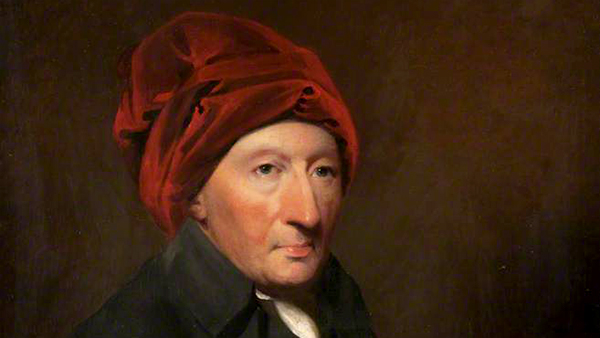


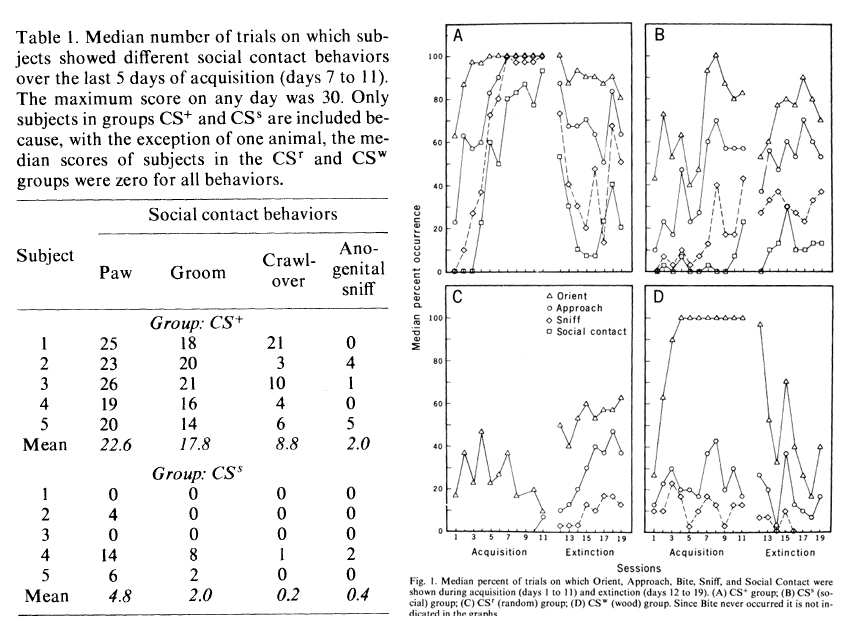


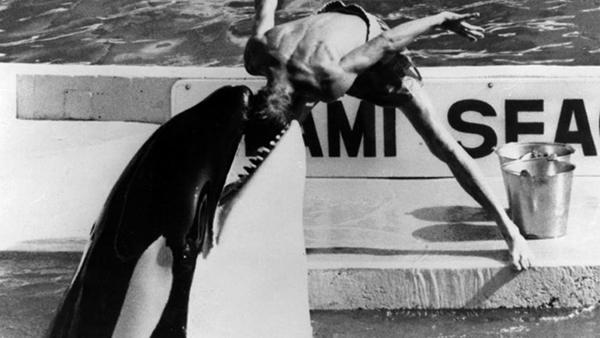


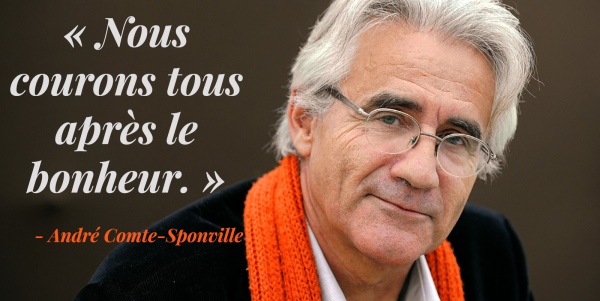
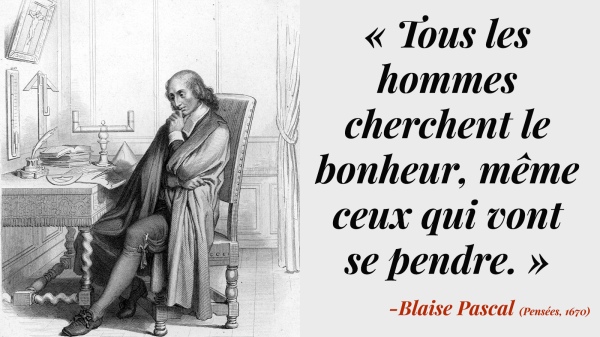

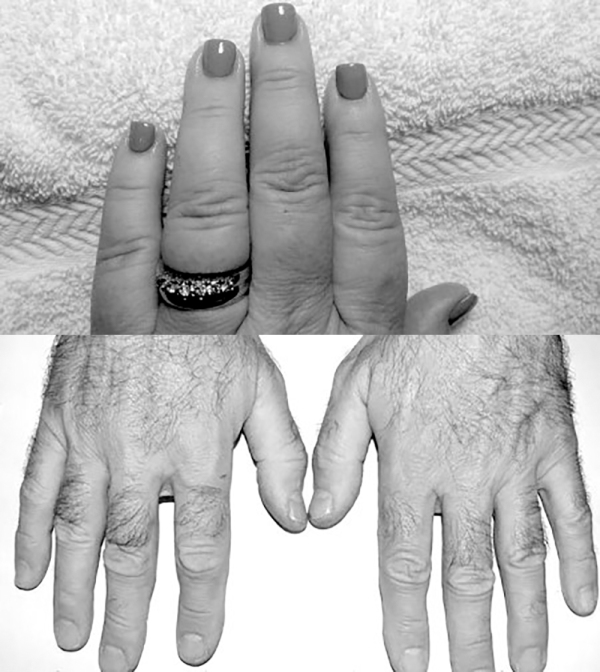




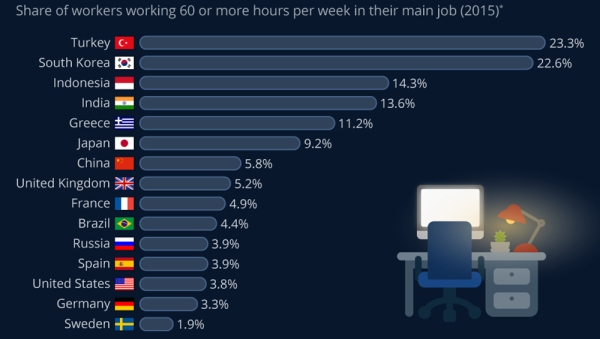

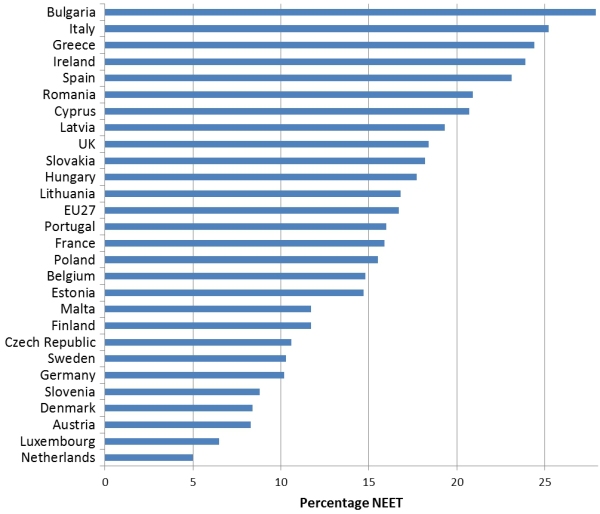



 dpurb . com